The Importance of Correct Tyre Pressure
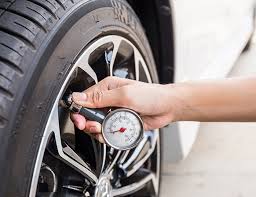
Check Your Tyres – Stay Safe on the Road
Maintaining the correct tyre pressure is essential not only for your safety but also for extending the life of your tyres.
You should check your tyre pressures at least once a month, including the spare tyre, and always before long journeys. Make sure the pressures match those recommended by your vehicle’s manufacturer – this information is usually found in the owner’s manual, fuel filler cap, or driver’s door sill.
🔧 Top Tip: Check tyre pressures when tyres are cold, ideally before driving. If you must check them when they’re warm, add 4–5 psi (0.3 bar) to the recommended pressure to compensate.
If your tyres are regularly losing pressure, it could signal an issue. Have the tyres checked for internal or external damage, along with the wheel rims and valve condition.
Grip the Road with Confidence
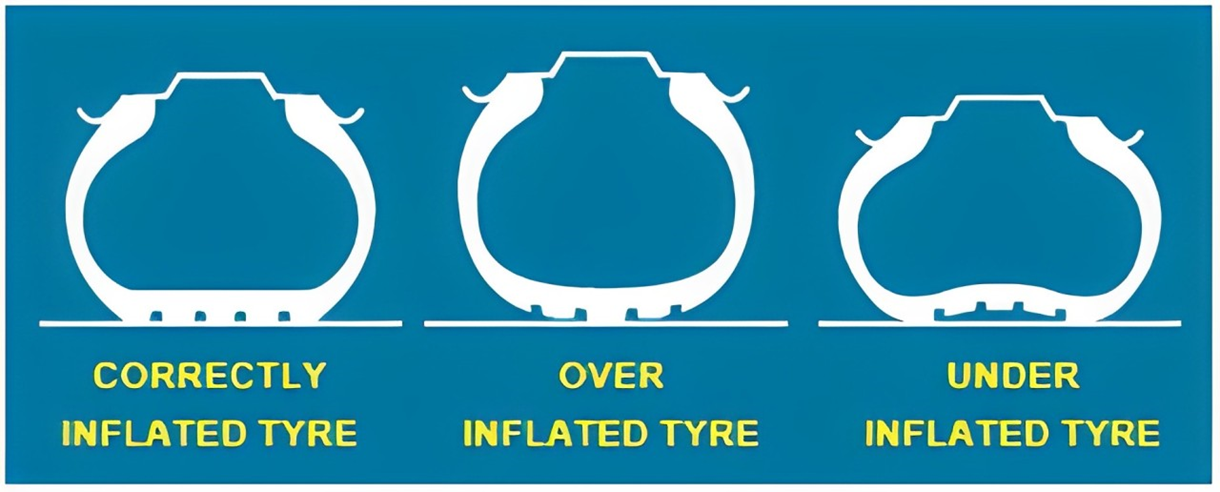
For your tyres to provide maximum grip, they must be correctly inflated. Tyres that are over or under-inflated reduce the tyre’s contact with the road, compromising handling and increasing the risk of accidents.
Top Tyre Pressure Tips
1. Safety
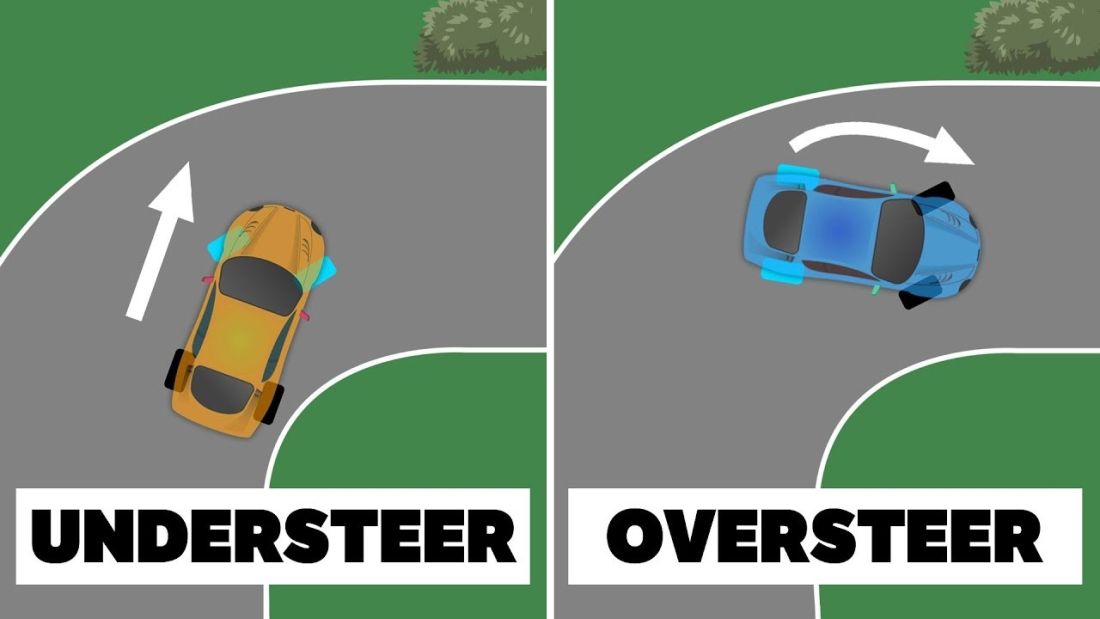
Under-inflated tyres can overheat, increasing the risk of blowouts, and may cause poor vehicle handling.
Figure 1: Understeer
Figure 2: Oversteer
2. Economy
Incorrect tyre pressure leads to excessive wear. Even running your tyres at 60% of the recommended pressure – which is surprisingly common – can cause significant tyre damage and shorten their lifespan.
Vehicles with under-inflated tyres experience higher rolling resistance, meaning more fuel is needed to maintain normal speeds – costing you money at the pump.
3. Environment
Correctly inflated tyres help your vehicle maintain optimum fuel efficiency, reducing CO₂ emissions and making your driving more environmentally friendly. Simply put, looking after your tyres helps look after the planet.
In Summary:
Check pressures monthly and before long trips
Inflate to manufacturer’s recommended levels
Inspect tyre and valve condition if pressure drops unusually
Stay safe, save fuel, and protect your tyres